Long-distance flying feels like death

Well, this blog would be nothing if it were not for me reporting on the crappy times as well as the good ones. I know long distance flying takes its toll on anybody, not just people with my physical issues, and as we age. But it really does feel like I have a harder go of things, especially as I recall how relatively “easy” long-distance flying was before my accident. I was initially optimistic around the first 9 hours into the flight from Newark to Hong Kong. The compression socks I wear, even though I am neither pregnant or diabetic, were working remarkably well, I thought! The back was not especially painful, the leg was not acting up; I was seated in a bulkhead aisle seat with no crying babies or snoring neighbours to boot. Yay! And then. Time. Stood. Still. Nothing I could do for the next 8 hours could distract me from the aching, nerve pain, inability to sleep, and inability to concentrate on anything else except my inability to concentrate on anything else. The 6:58 hr mark seemed especially still. Since the seat next to me had freed up (I was in the middle three-seat section on the 777), the guy next to me had moved one seat over. But there were no arm-rests to lift. So I did something I have never done before, and that is, curl up and lie down on the floor in front of those two seats with my head on my backpack. All the while thinking, who the fuck knows what has been on this floor but I do not fucking care. It was not a successful strategy.

Arriving in Hong Kong and the breezy airport experience was a brief respite to all this. Deplaning to reaching baggage claim took 5 minutes. If only all immigration experiences could be like this. Certainly, this process is so expedited because I do have a HK Identity card which you insert into a slot, pass through a set of glass doors that then close behind you, have a thumb scanned, have a second set of glass doors open in front of you, and then you are on your way.

It seems like 36 hours is the magic number for recovery time for me. I really was pretty much a vegetable for that first day and a half, barely managing to shuffle around, declining to go out, and just lying down and sleeping an awful lot. I did walk past some old tennis courts where lots of kids were either having lessons, practicing, or competing (there were some feelings around class, expats, and elitism that were also conjured up, but that is a much longer blog post). Tennis was one of my main sports growing up, and I was very good at it, if I do say so myself. Watching these teenagers hit the ball hard and move around the court quickly did make me feel a bit sad that I could not do that any more. But I think there is also more acceptance than before. Maybe it is because I can tell myself that hitting a ball back and forth across a net and chasing it around is silly. This pretty much characterizes most of the sports I played growing up and into/through college (tennis, squash, netball, field hockey etc.) :p But deep down, I do miss it a bit.

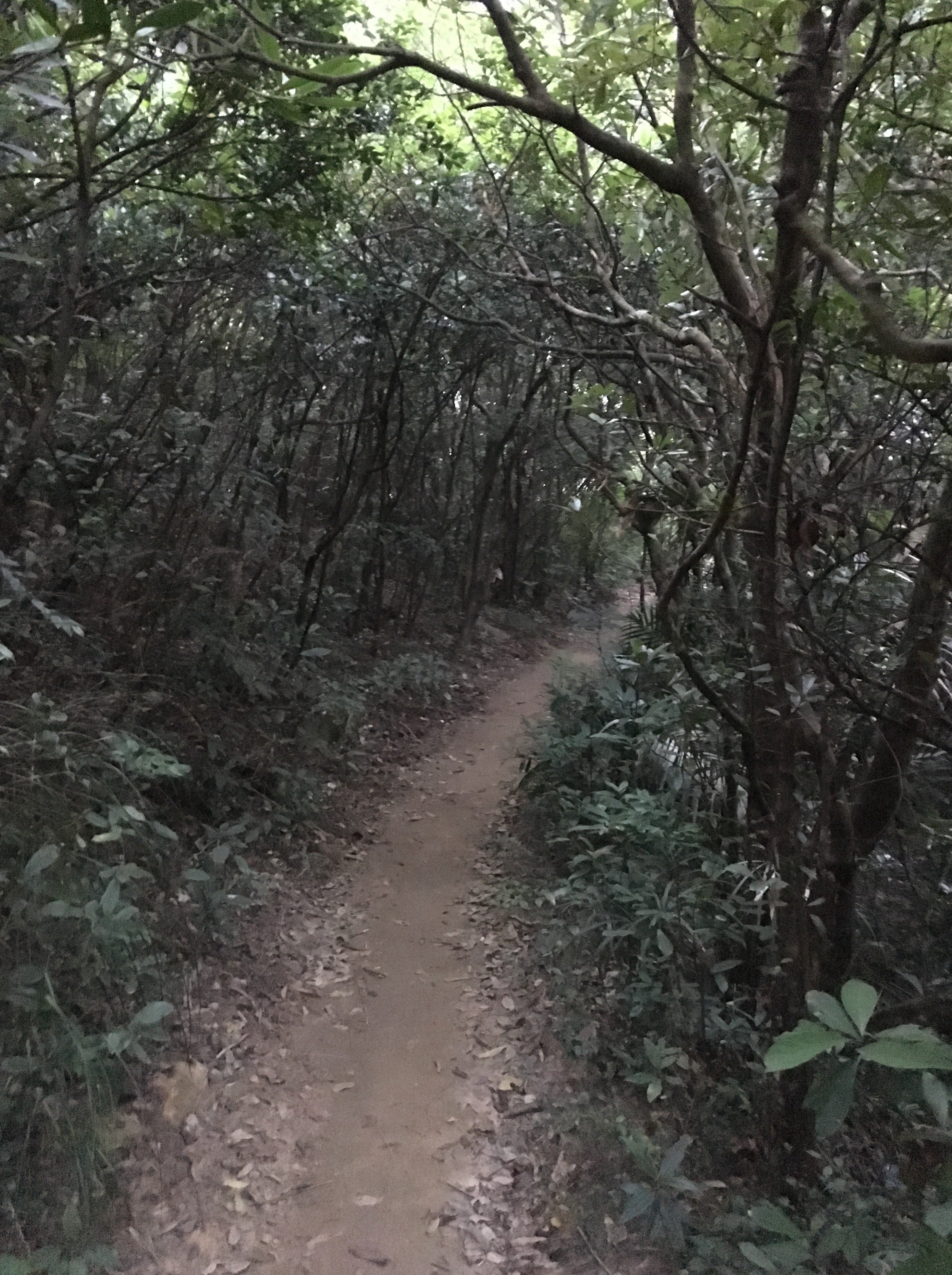
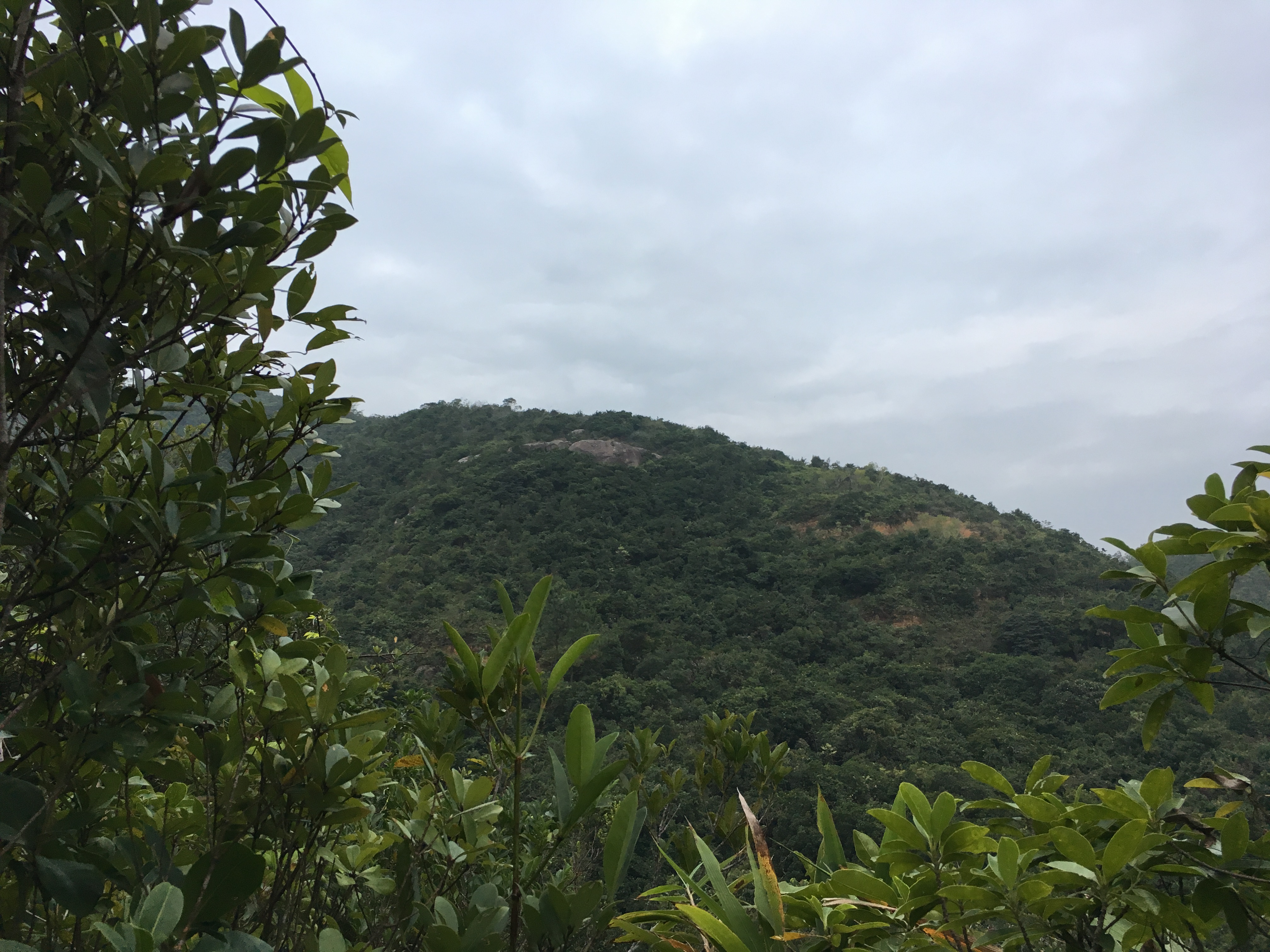
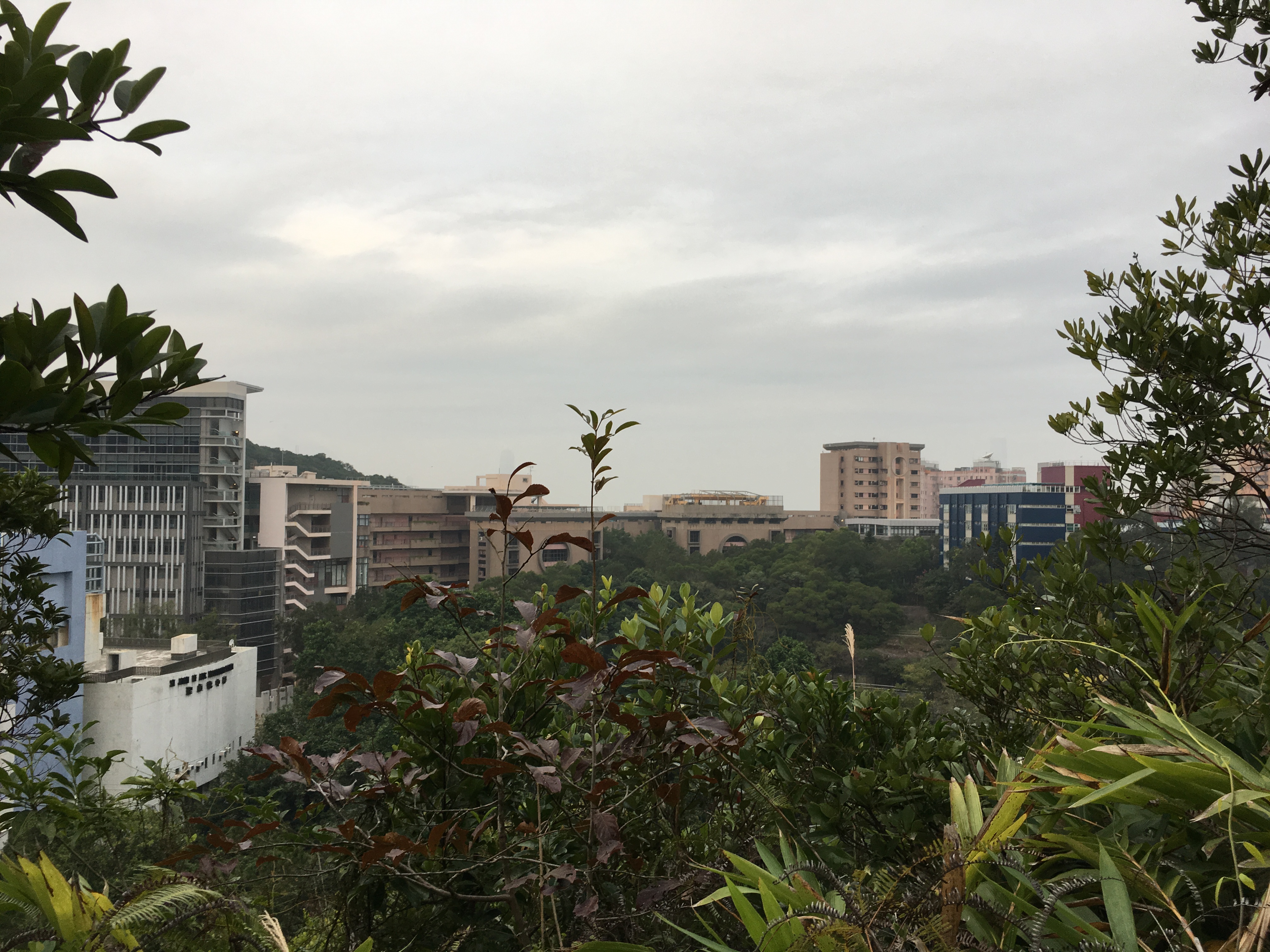
But I am back on my feet! What do you do when you feel like shit and are trying to feel less like shit? Go for a walk around your childhood home on old and familiar footpaths at first light…

footpath1

I like the Hobbit village quality to this trail

I like the Hobbit village quality to this trail

I remember when I visited Hong Kong for the first time after my accident, in January 2014. I did not know whether I would be able to manage this walk, with all its steps, inclines, and uneven spots. It felt like a triumph to conquer this path that I walked/ran so many times before. While the steps up still are not completely trivial to me now, I am glad that the walk – a few years on – feels pretty easy.
Climbing development opportunities?
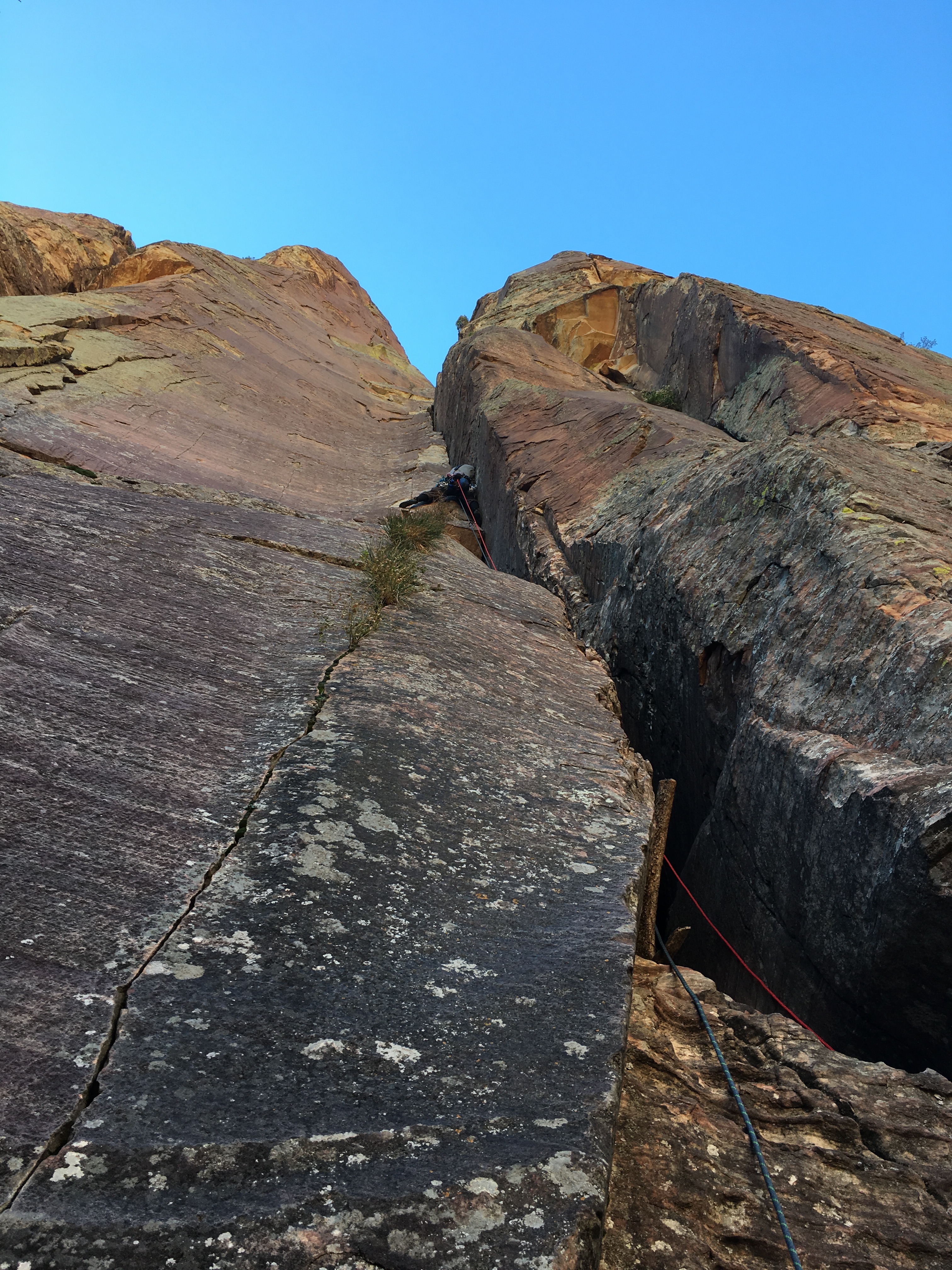
Climbing development opportunities?
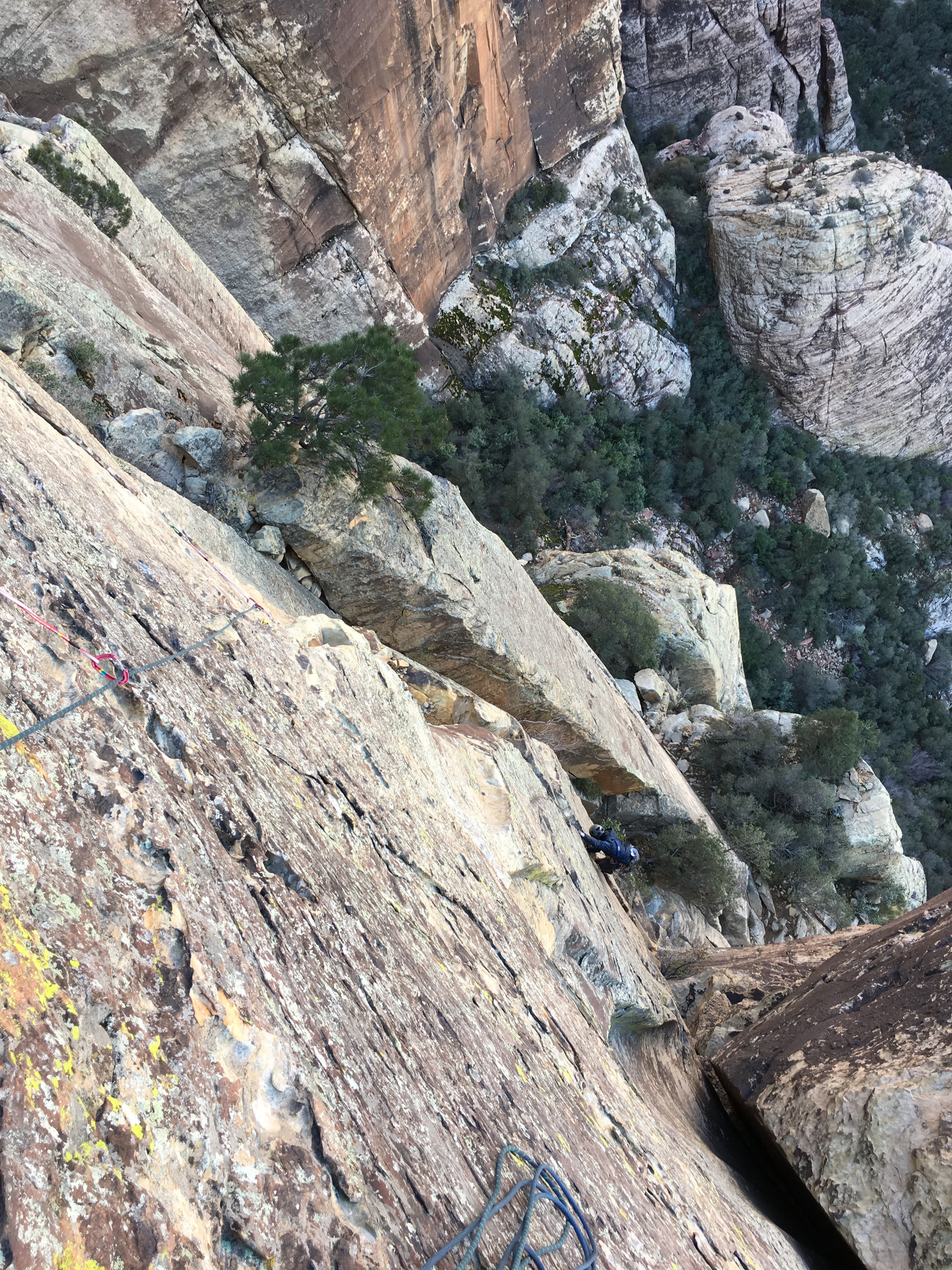
img_2074


An amazing end to a rock season that should not have been

As usual, I am writing about a previous trip/experience as I am preparing for the next one…

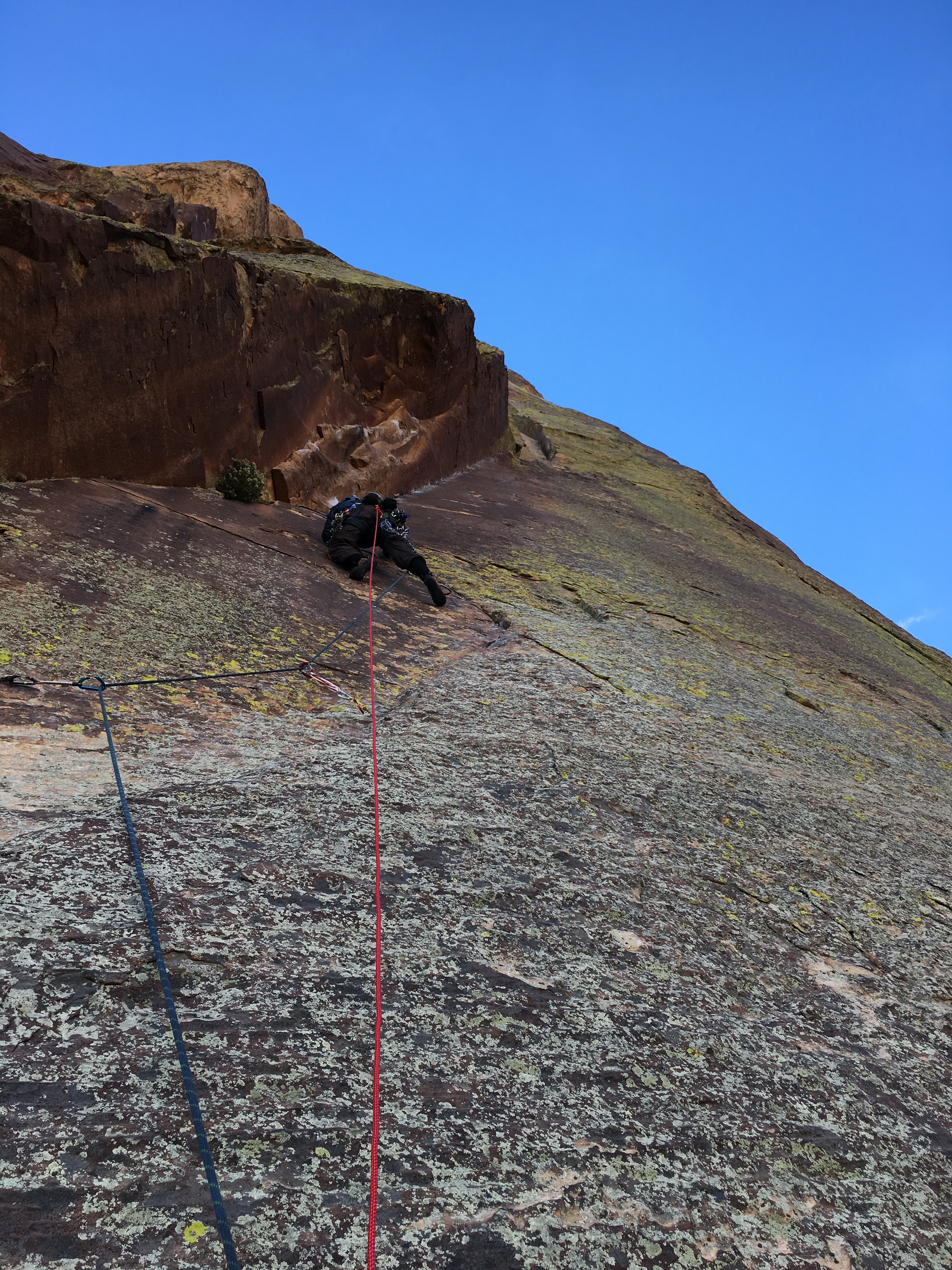
I could not have asked for a better route or partner to put a cap on a rock season that really was not supposed to happen. To go from this summer’s near-death sepsis, stays in and out of the hospital due to SCI-related issues, and on-going health stuff all throughout the Fall, to climbing Cloud Tower (5.11d/12a) last Tuesday was truly amazing. The route is described as “[o]ne of the best long free climbs of its grade in the country…If you climb at this level, you will not have lead [sic] a full life without experiencing The Cloud Tower!” (Source: Mountain Project which, like all things on the internet, is the truth). Now Eben and I can say we have led a full life :)

The two long starting 5.8 pitches of Cloud Tower are a good way to get warmed up. They were not trivial in the cold though. I know I certainly was shivering a great deal and having difficulty feeling my fingers, due to the low temperatures and north-facing aspect of the climb.

The start of Cloud Tower.

Eben getting us off to the right start on Cloud Tower.

The third pitch consists of a perfect hand-sized crack, which I really wish was much much longer.

Eben following on pitch 3, the perfect hands pitch.

Eben following on pitch 3, the perfect hands pitch.

The crux pitch is 11d sustained tips. It was quite hard!

That manky quarter inch bolt was very reassuring...:-/

That manky quarter inch bolt was very reassuring…:-/

What makes the route great is not a single pitch, but the combination of the pitches; the route really has it all. Some nice easy pitches to wake you up, perfect hands, sustained tips, wider hands/fist/off-fist (my nemesis), a cool chimney and tunnel through into a whole other world, and then a killer final pitch. The contrast between the dark, lichen covered north facing wall to a face that looks straight out of Indian creek was very striking.

The cool tunnel through in pitch 6. People much larger than myself would have some difficulty fitting through.

The cool tunnel through in pitch 6. People much larger than myself would have some difficulty fitting through.

When you emerge from the tunnel through, you are greeted with this view and pitch. Magical.

view-from-cloud-tower-p7

View from the small ledge at the bottom of the final pitch 7.

The other side of the tunnel through. Magical.

Looking up at the final pitch.

And, of course, an obligatory selfie at the top of the route. Can you tell how stoked Eben is even after our beat down? I didn’t think so. The flash on the camera must have been on because it was close to dark by then.

cloud-tower-ebenwendy-selfie-at-top

We could have done without all the ropes getting stuck on the way down, and frigid north facing climbing. If someone could just rotate the canyon 90 degrees, and make sure the weather on all my climbing trips is warm, that would be greeeeaaat (Bill Lumbergh Office Space voice).

Sure, there have been the epics pre-accident, but the combination of the taxing approach on my post-accident body, the hard crux pitches, the rather crappy rope-eating descent and reverse approach, made it one of the most challenging and rewarding climbing experiences I have had. The approach is supposed to take a little over an hour…it took me 1 hr 40 min (there was a little bit of wandering around but not much), and the reverse approach was not much easier because of the loose, sandy shit I struggle on. I know for most people that is not a very long approach, but for me it was. Eben was a total chief for carrying the entire, sizable rack, leading the crux pitch, and navigating us back to the car in the dark.

I was able to make my flight out of Las Vegas that evening and not have to wear the same climbing clothing for the plane ride back to Boston. I was pretty wrecked from the long day but it was totally worth all the aches and pain, because doing Cloud Tower was a big deal to me. Knowing that I have it in me to get to the base of and do routes like this – decently long approach and pretty hard grade – makes me excited about the future possibilities I previously thought were now closed.

I am flying to Hong Kong tomorrow to spend about ten days with family. I always have a great deal of anxiety about the long flight (~20 hours). The long periods of sitting and confined space wreak havoc on my back and neuropathy in the left leg, so I am really hoping the pain can be managed all right in Hong Kong (and back here when I return).

A “true” RR day!

Hello Red Rocks, it has been a long time; nearly a decade. Wow, that makes me feel a bit old.

A normal, glorious sunset at Red Rocks

A normal, glorious sunset at Red Rocks

Saturday was spent cragging and sport-climbing. I am definitely not a sport-climber. Because of the fear of crowds, we started in a cold, sandy, slopy area which really did not get me excited about Red Rocks. We finished the day on more classic Red Rocks climbing, plated face, which got me more psyched about the rock here.

Sunday was my first “true” RR day. Even though we had to bail from near the top of our route, I had such a fun time. I had concerns that I might be very slow on the approach to Black Velvet Canyon, but we made good time, which surprised me. It made me feel very grateful to have a functioning, strong right leg, and motivates me to continue to keep it very strong.

Black Velvet Canyon as seen from the approach.

Black Velvet Canyon as seen from the approach.

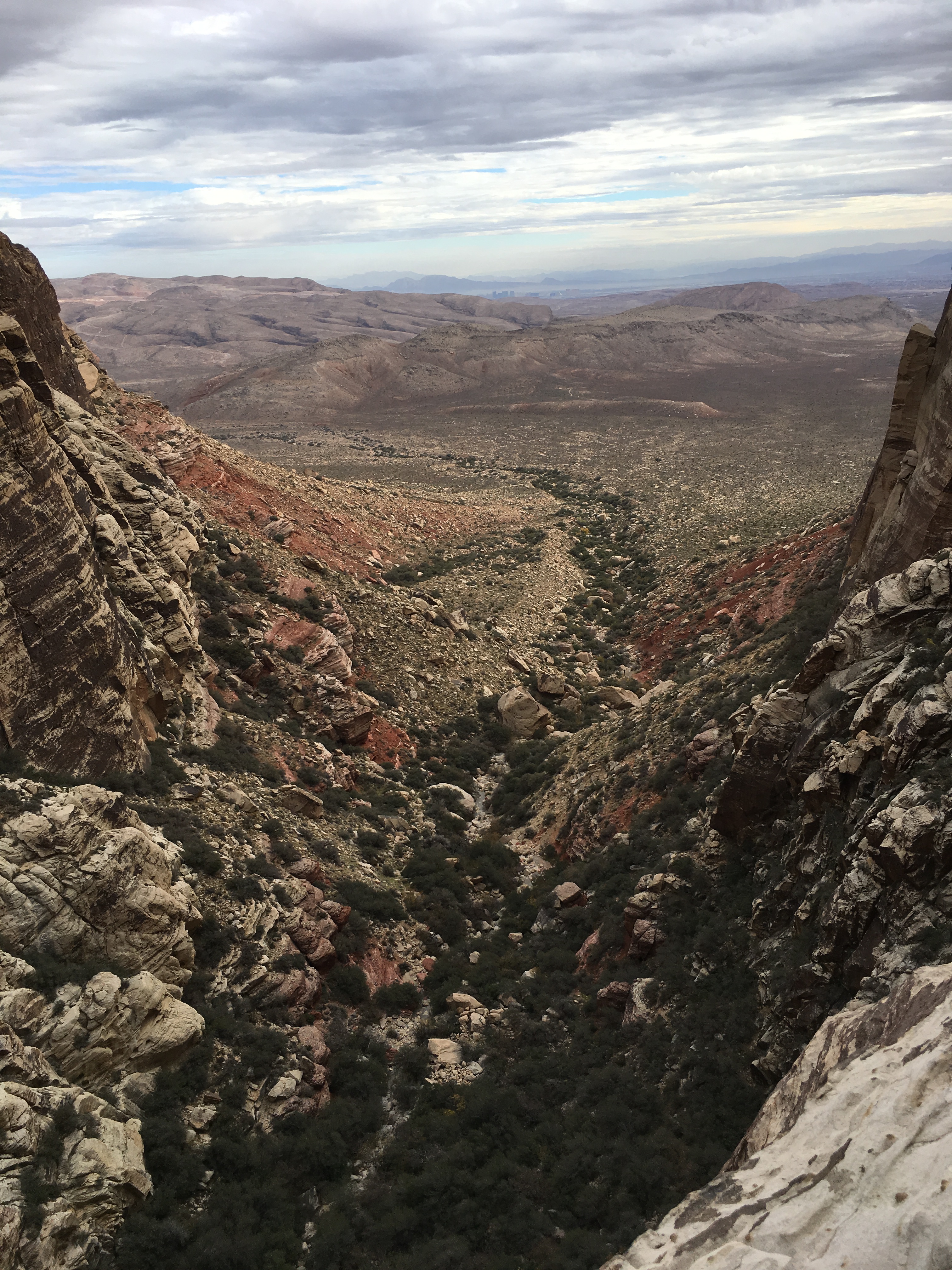
The approach follows a wash into the canyon. The boulders are actually helpful because I can use my hands, versus just a slope or steps. The picture below gives you an idea of the approach into Black Velvet Canyon.

The wash into the canyon. You can see Las Vegas in the distance.

View from higher up on the climb. The wash into the canyon. You can see Las Vegas in the distance.

Since this was our first outing together, Eben and I decided to run up Sour Mash, which we made very short work of until p6. It had been spitting rain on and off before that, but then the real downpour started as I was about to blast off on the crux pitch of the route.

Looking up at Black Velvet Wall

Looking up at Black Velvet Wall. The blue skies did not last.

I made it about half way in the rain and hail before we decided that we needed to bail. On the one hand, climbing in rain and hail can feel pretty good in that un-fun/fun way, but the wall really became a wet sheet, and it just was really not happening.

The crux pitch was a glassy sheet. I got about halfway before the rain and hail got to be too much.

The crux pitch was a glassy sheet. I got about halfway before the rain and hail got to be too much.

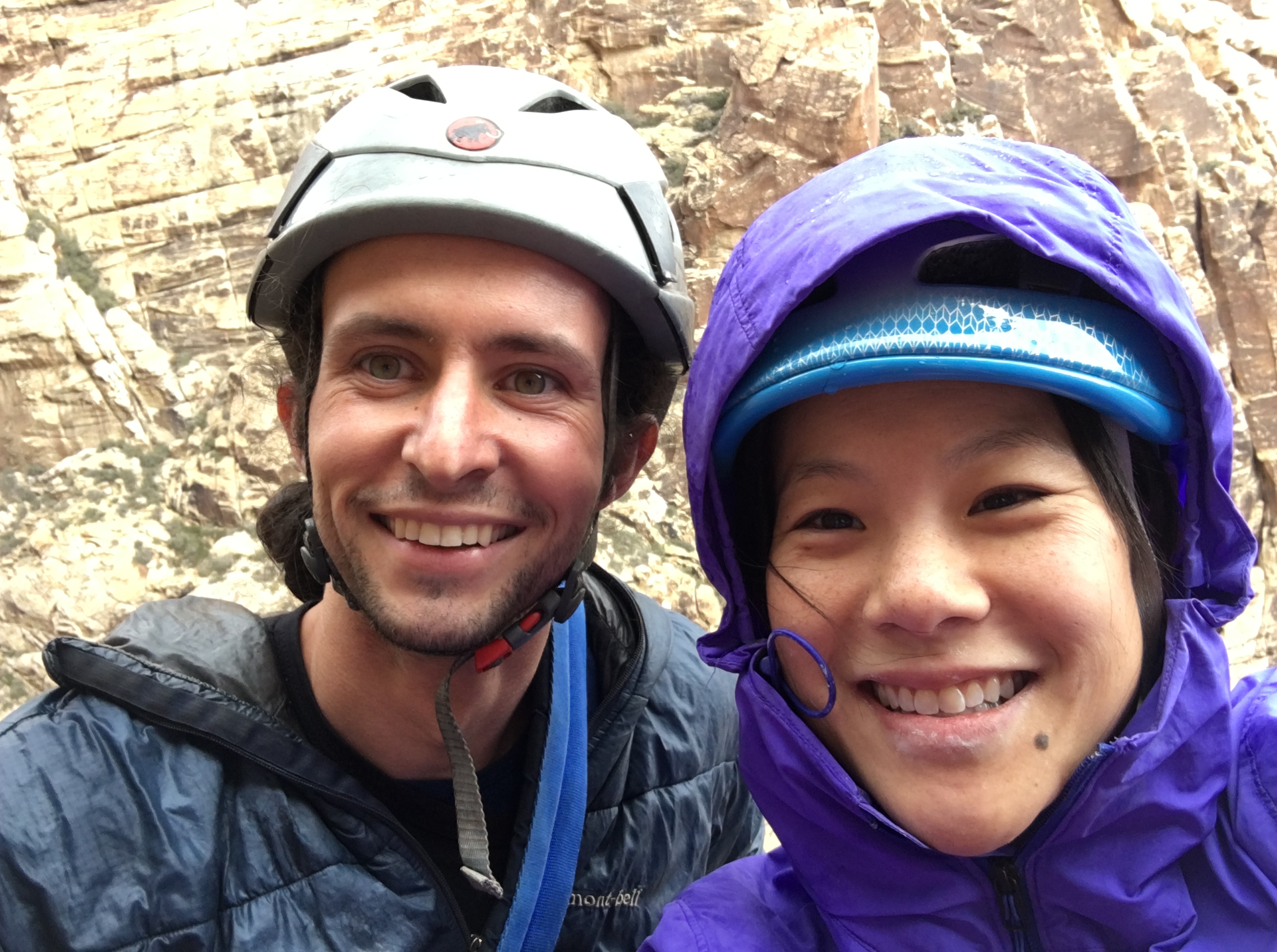
You can tell how much fun we had by how much we are smiling even when we had to bail.

Selfie at the belay which I lowered down to for the bail.

Selfie at the belay which I lowered down to for the bail.

An easy route like Sour Mash reinforces what I know already, and that is often times, the most enjoyable kind of climbing for me is just being able to run up long free routes and get high up, fast, with a great, safe, competent partner. Even lazy ass, just-say-no-to-long-approaches me is willing to put the work in to get to these kinds of routes.

The plan is to get on Cloud Tower (5.11d) before I depart. The route looks like it has it all – from 11d sustained tips, perfect hands, to the wide. The hike in to Juniper Creek Canyon is significantly longer than the one into Black Velvet so I am slightly anxious about that. But to be back on hard crack is so exciting!

City of Rocks, Idaho (mainly)

What do you two days after being discharged from the hospital, after two ER visits and admission for SCI-related problems? Why, fly to Salt Lake City to climb with a friend you have not climbed with in over six years (just before my accident), of course.

While I was eager to go to Indian Creek, my friend was eager to stay closer to Salt Lake City, and climb at the City of Rocks near Almo, Idaho, a few hours away.

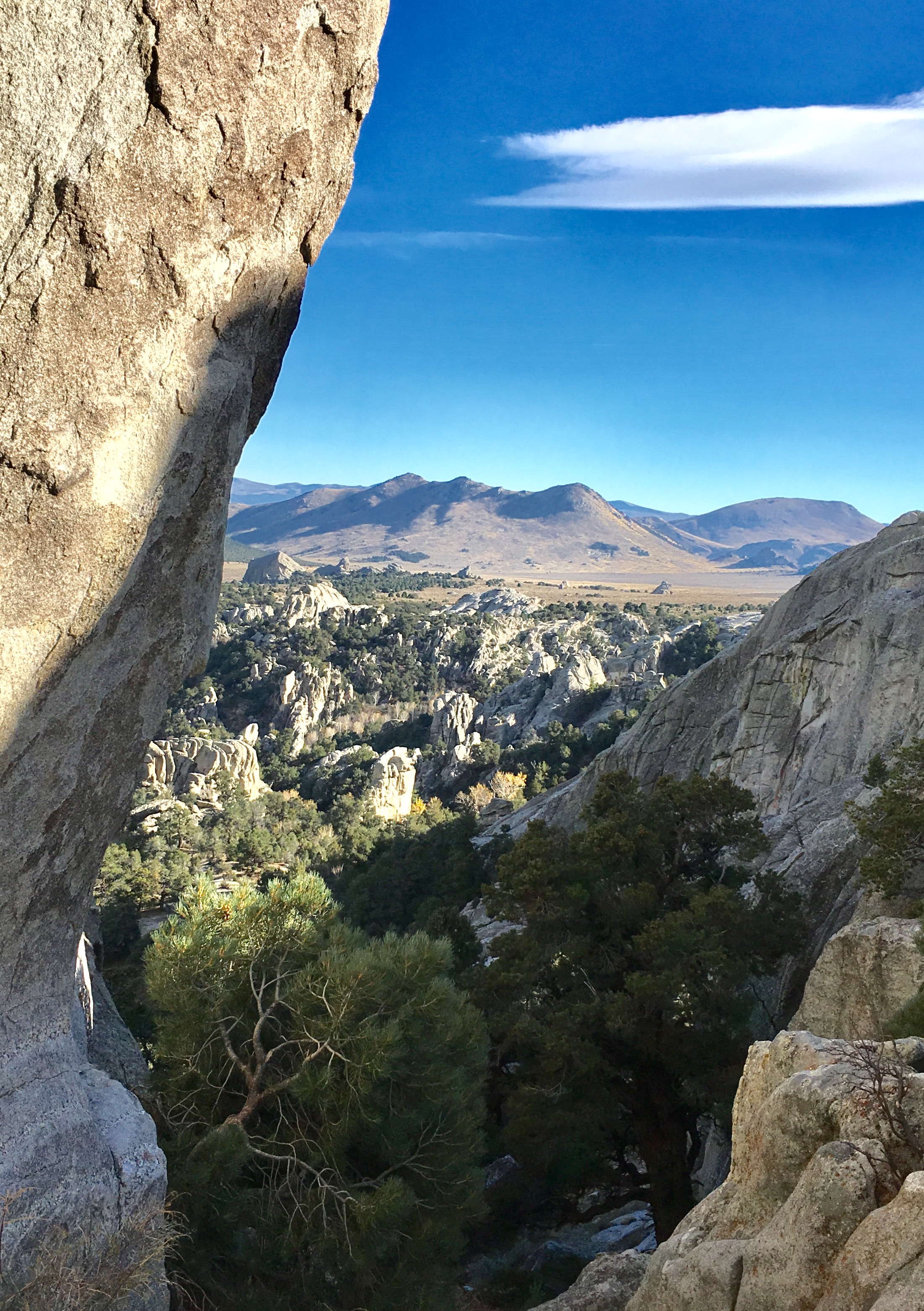
Window into the City of Rocks

Window into the City of Rocks

Two climber chicks in this RV

Two climber chicks in this RV

This trip really was my first time climbing outside and leading this “season”, due to all the health setbacks I experienced this year. It took me a pitch or two to dust off my trad lead cobwebs, and I was also winded on approaches from the hospital stays and elevation change. However, I was soon back in the game.

While climbing routes that you are comfortable with is a lot of fun, it is also quite satisfying to climb routes that do not play to my strengths. For example, the route below requires stemming, which is a challenge for me as exerting outward pressure on the left leg/foot is difficult. So to climb such a route in good style feels pretty good.

Stemming action

Stemming action

Goofy selfie

Goofy selfie

Cruising up another City of Rocks classic

Cruising up another City of Rocks classic

It has been interesting, roping up with a friend I had not climbed with since a week before my big climbing accident. I wondered how she would feel; sadness for how I/we “used” to climb, or happiness that I was even climbing at all. Fortunately, it seems like my disability has not affected our climbing at all, except for Sarah carrying the heavy rope and more gear in her pack (she is an ox).

sunrise

Impending bad weather makes for cool sunrises

Happy.

Happy

We are taking a rest day in Almo, ID due to rain (and, in my case, torn up finger tips) before spending one last day at the City of Rocks tomorrow. It is always great to check out new climbing areas, and I am already looking forward to seeing where I will go for some winter rock climbing. As usual, there is a tension between rock climbing, ice-climbing, and skiing; we will have to see what Mother Nature brings us this year.

It’s getting real…

My USA Climbing kit arrived today. It feels a bit strange…one of the reasons why I am drawn/suited to climbing is that I thrive on being high up on a rock and alone for the climb. Now, I am only just starting to feel like I am going to be competing as part of a team. As usual, I am nervous about the competition and my ability to on-sight a route well. I may not be climbing as well as I did this time last year, but I am reminded that I came back from nearly dying to being close to full-strength.

I guess it is official.

I guess it is official.

Unintended consequences of an SCI

Clearly I made it out of the ICU alive. Some people with my vital signs do not. The infection in my kidneys had spread to my heart, lungs, brain…pretty much everywhere. Even with all the fluid that was pumped into me (6 lbs!) I was not producing urine. I suppose it was not a surprise to learn one of my diagnoses was acute renal failure and sepsis; and I was experiencing septic shock. I was put on antibiotics and diuretics; and learned that I was “this close” to dialysis, but my kidneys started up just before they were about to resort to that.

I did not think I would be seeing the ICU less than 6 years before my last stay. While everything is familiar, it does not make it pleasant to revisit. Without going into details, the next few days were filled with delirium, discomfort, pain, a lot of blood work and close monitoring. Within a few days, my blood pressure and heart rate got back to “normal” range; my kidneys were still not functioning well. I was told that when I entered the ICU my creatinine levels were 4.8. A normal adult’s is ~0.5-1.0. My kidneys were the hardest hit organs and it would take longer for them to recover. The only question was how low did my creatinine levels have to get before I could continue my recuperation/treatment at home as an outpatient.
How did a simple UTI escalate into near death?
  • I lost most sensation in my urinary tract, making me unable to feel the typical signs of a UTI: urge to pee frequently, burning sensations
  • The back pain associated with a kidney infection was masked by my chronic back pain. I had also been deadlifting around that time and attributed the back pain to that.
  • I had no fever!! This is pretty crazy given the raging infection in me.
  • I self-catheterize. There is no escaping this result of my SCI. Every time I cath myself, is an opportunity for bacteria to enter me.
  • While not a cause, not drinking enough fluid is a risk factor for UTIs, kidney stones and kidney infections. In the past, would not drink very much if I knew there was not going to be a clean bathroom nearby.

I am thankful to the team at Mount Auburn hospital for keeping me alive, and to Scott, for even suggesting going to the ER, when no such thought had crossed my mind.

The road to…the Intensive Care Unit (ICU)

(Apologies for typos, spelling errors, poor sentence construction etc. This will be explained later).

My blog posts are infrequent, but when I do post it seems like I have something eventful to report and muse on. This is eventful.

I was grumbling about not being able to find a partner to climb outside with me over the long Memorial Day weekend (the previous Saturday to Monday). I was also experiencing very severe back pain (I could not stand anywhere near vertical) which I attributed to poor form while deadlifting. This continued into Saturday and Sunday, along with various waves of having difficulty with balance, walking; forgetfulness and general spaciness. These symptoms overlapped with a previous drug interaction I had between one of my usual medications and an antibiotic I had received from the dentist. Thus we thought if we can identify the one variable that changed and remove it, my symptoms would clear. This did not happen.  After consecutive days of being a pained, confused, teetering mess, Scott and I decided this might just be a bad UTI; why don’t we go to the ER of the nearby Mount Auburn Hospital, get some antibiotics, and be on our way. Certainly with plenty of time for Scott’s Monday late night flight to SF that evening.

I made my way to the ER, walking wobbly but still able to walk myself in. After a short wait, we were escorted in, had my temperature checked and sat waiting to be diagnosed and treated. I did indeed have a UTI and a very small kidney stone in my left kidney. To relieve the blockage, a stent was inserted (under general anesthesia) and I was brought up to the hospital floors for what we thought would be an overnight stay. Scott continued with his travel plans, encouraged by me and the doctors.

Then, things deteriorated very quickly. My blood pressure fell to 50/25, my heart rate was up at 150 bpm….and that is when I was rushed to the ICU for the second time in my life.

Crested Butte

I was not sure what to expect of my extended weekend in Crested Butte. Arriving feeling physically poor certainly did not help. But as I write this en route back to Boston, I can say with confidence that my time in Crested Butte and Colorado this season was a success, in terms of taking my three-tracking abilities to another level, reconnecting with old faces, meeting many new, wonderful ones, and being lifted by the incredible things the Adaptive Sports Center and its staff enable.

Part of my trepidations about the Crested Butte Ladies Adaptive weekend was how structured it seemed e.g. fixed instruction time, meal times, social activities etc. I generally like doing my own thing so this seemed quite restrictive. However, I found that I learned a tremendous amount being exposed to different instructors and a different program. The Adaptive Sports Center has a tremendous wealth of knowledge, yet also an open-mindedness to try new things. My instructor from my first day is actually a Professional Ski Instructors of America (PSIA) Adaptive examiner, so she was definitely very knowledgeable and skilled at three-tracking. While the mechanics of skiing, whether it be on one or two skis, are the same, it still was nice to be with someone who could ski as well as I could on one ski. I have had the experience of instructors needing to ski with me on two skis to keep up. In the space of my first day, my ability to ski bumps of all sizes, in variable snow conditions (crud, ice, softer snow) and ski bumpy traverses (this is harder on my uphill ski side) improved considerably.

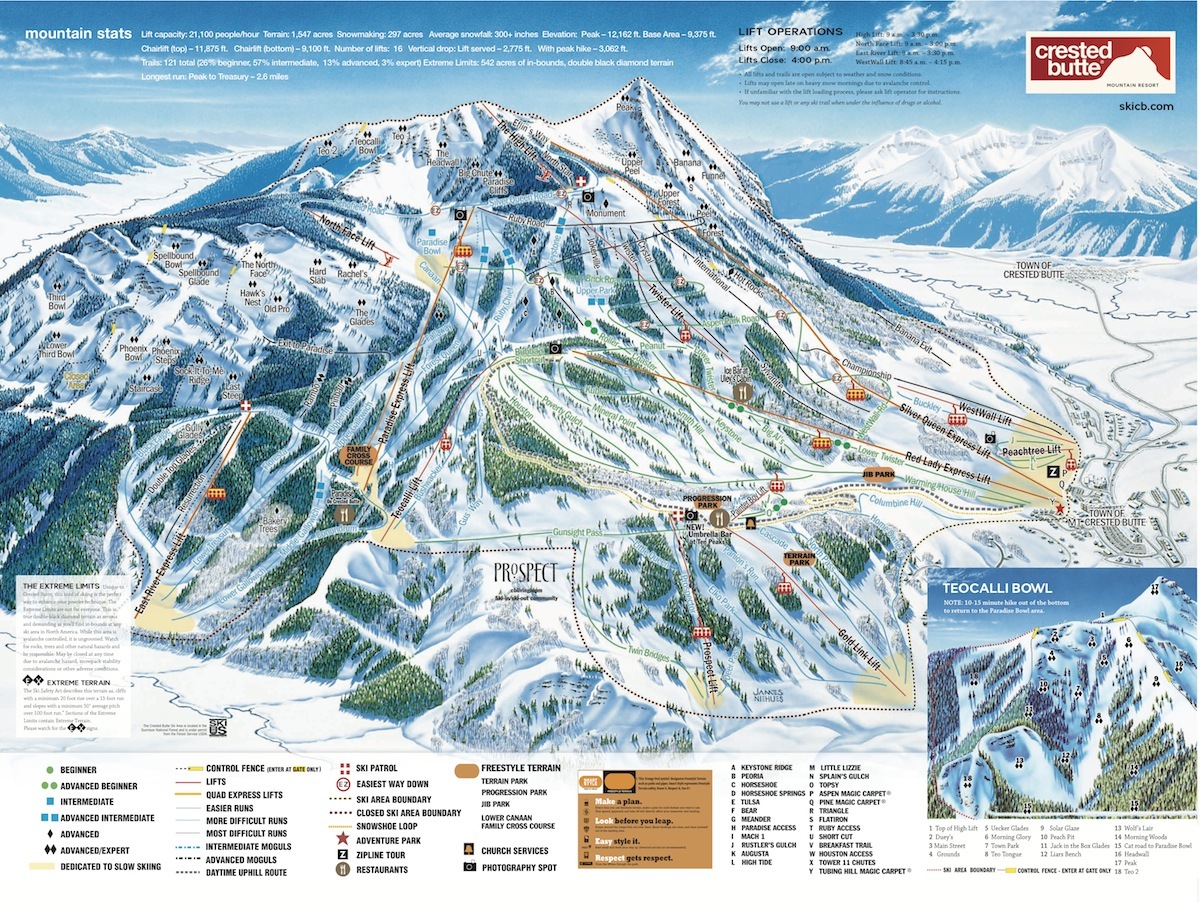
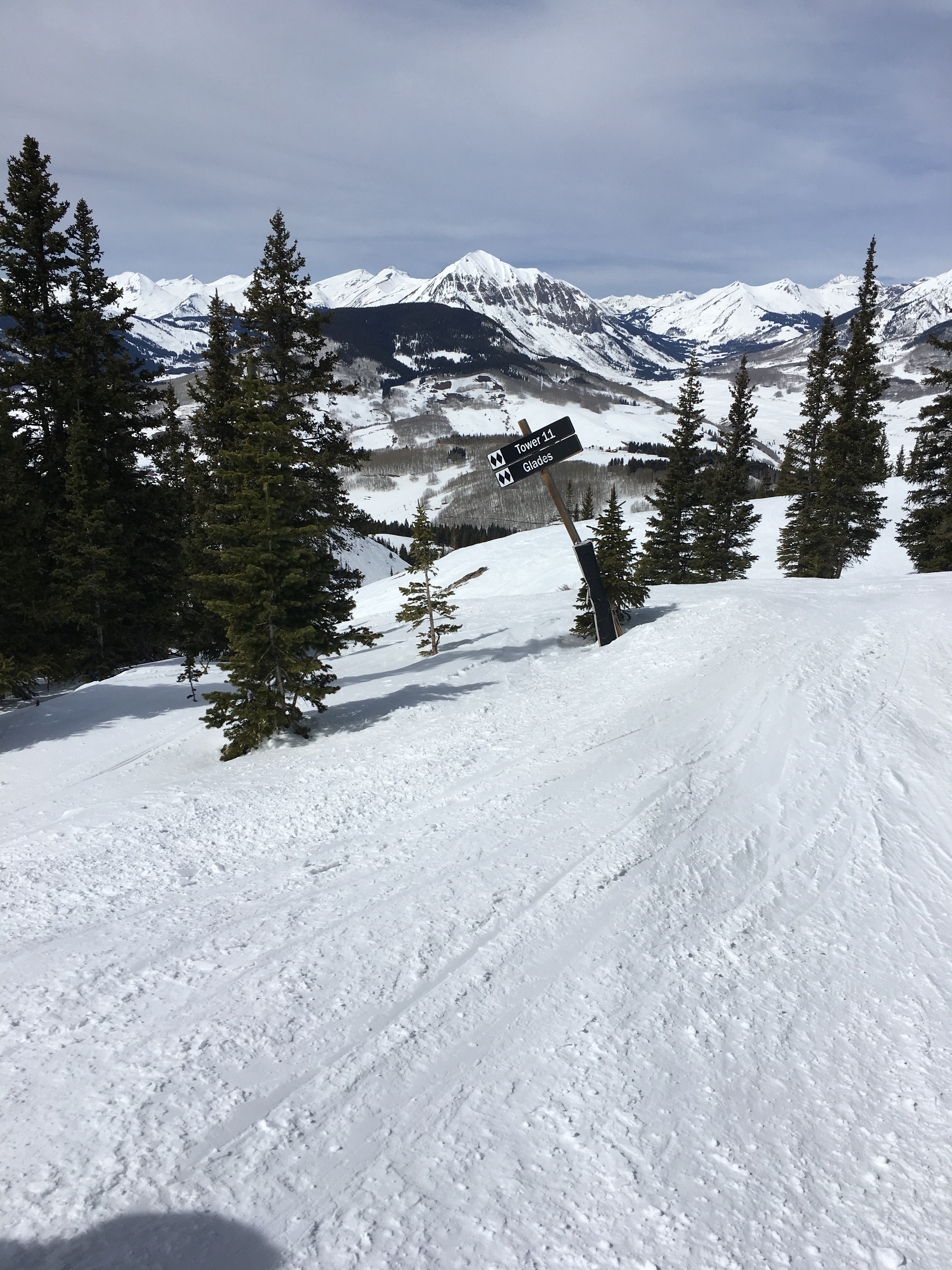
I saw that Crested Butte had two T-bars that serve double-black terrain. I was interested to see if I could ride a T-bar as a three-tracker since a lot of terrain in Europe, say, is only served by T-bars. Bryn, my instructor, had never ridden a T-bar as a three-tracker either, as most three-trackers are not skiing that advanced terrain. But, after a bit of strategizing we gave it a go. We had to take the High lift as the North Face lift was closed for an annual ski race. But, as you can see from the trail map below, one still needs to be able to ski advanced terrain to get back down. It was great to know that I could manage that as a three-tracker.

Check out all the awesome double black terrain on the North face

Check out all the awesome double black terrain on the North face (Source: http://www.skicb.com/the-mountain/trail-maps)

I sat on the left side of the T-bar, so that I could hold the middle of the T-bar with my right hand, have my right ski on the inside and have my left outrigger on the snow for balance. For my right outrigger, I kept the cuff around my right arm and balanced the outrigger on the top of my left hand. Bryn rode the T-bar more like a regular skier, skating on her left ski boot (she had a ski on her right leg). We congratulated ourselves on riding the T-bar without any incident! The next day, Tereza (another ASC volunteer/instructor) and I rode the North Face lift. Upon the recommendation of another instructor, I tried to ride the T-bar by myself. This did not work out as well. The lack of a counter-balance and the sudden jerks of the North Face lift had me fall within 10 feet of where I had loaded. Tereza and I found that it was easiest to the ride the T-bar with her having her ski on her left boot and sitting on the right side of the T-bar and we rode the T-bar quite a few times Sunday afternoon. This gives me confidence that, with the right partner (i.e. not a snowboarded and not someone who will knock me over) I will be able to ride T-bars all over the world again.

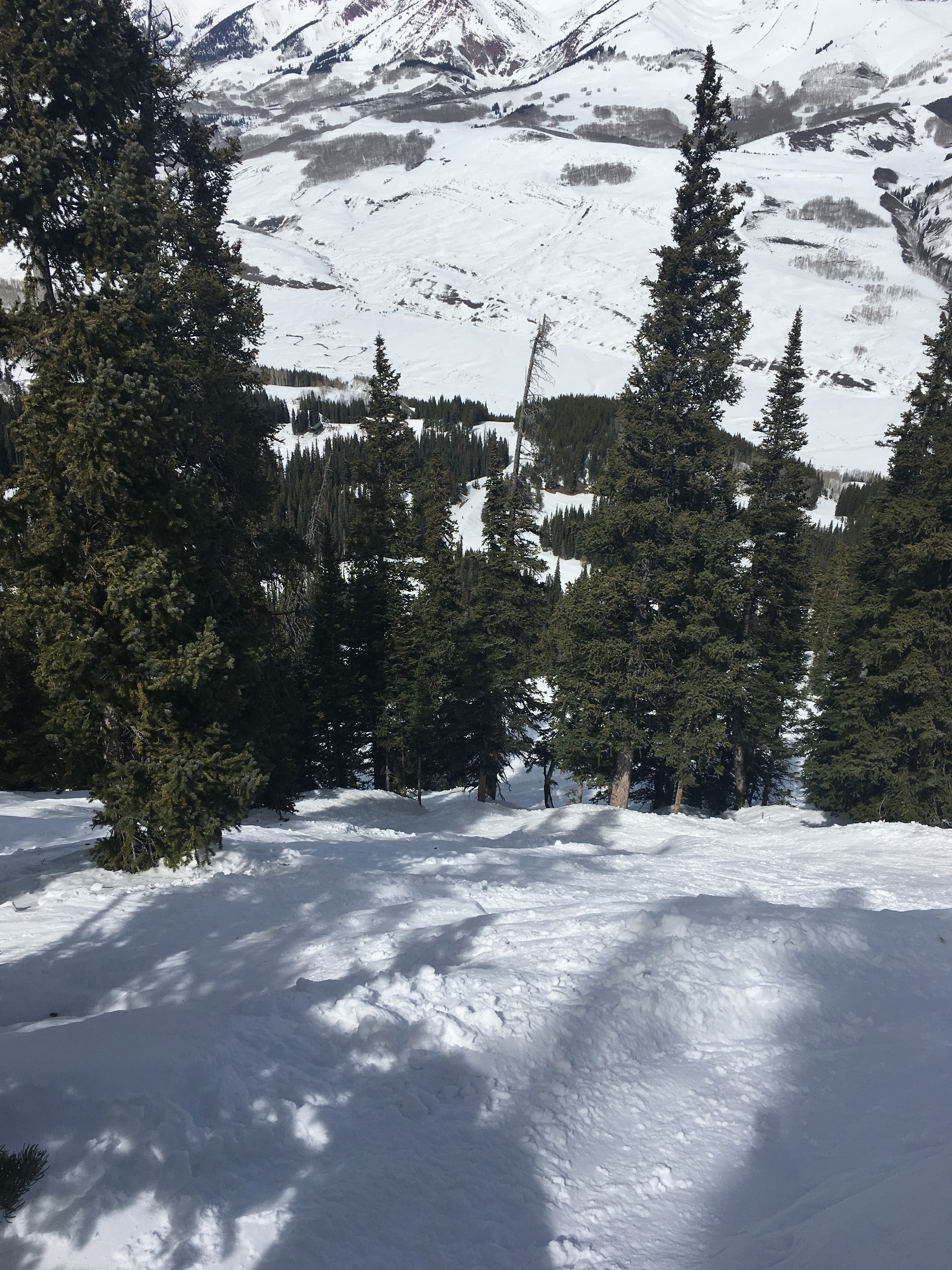
The best part about making it to the top of the T-bar lifts without incident was getting to ski the super fun double-black terrain at Crested Butte! My skill level as a three-tracker continued to improve leaps and bounds on Monday. I was able to build upon the skills I had picked up from the previous day and navigate rocky, thinly covered terrain, trees, glades, all in less than ideal snow conditions. Which is exactly what one (or at least I) needs to know how to do if they are going to be skiing advanced, off-piste terrain.

Very friendly warm-up double blacks off the North face lift.

Very friendly warm-up double blacks off the North face lift.

More challenging runs off the North lift.

More challenging runs off the North lift.

A bit more stuff to deal with.

A bit more stuff to deal with.

Tereza was terrific three-tracking company and it was very useful to see how she used her outriggers while carving on groomed terrain. It was incredibly useful (and fun) skiing with four-time Paralympian Sarah Will in the morning too. Monoskier tracks tend to be quite beautifully shaped and I was right on her tail (we both go fast). Later she said, you have the downhill mentality, which was nice to hear. Some women (and men) get nervous when they move “too” fast. When I move fast, things slow down. Time and senses dilate with the hyper awareness and focus.

I found that using my outriggers a lot in bumps puts a fair bit of pressure on the outside of the hand (little finger side of the palm) and my hands would involuntarily cramp when I was not skiing.

My fingers/hand are not doing this voluntarily.

My fingers/hand are not doing this voluntarily.

I would like to express my heartfelt thanks to the High Fives Foundation for their generous donation that allowed me to attend the Ladies camp. I had not heard of this organization till just before this trip; I wish I had been aware of them earlier! They could have helped me tremendously in the months/years immediately after my accident. While I am sad that I did not have access/awareness of such a resource for myself then,  I am very glad that such a resource exists for injured mountain sports athletes.

Back in Telluride – first BC experience post-accident!

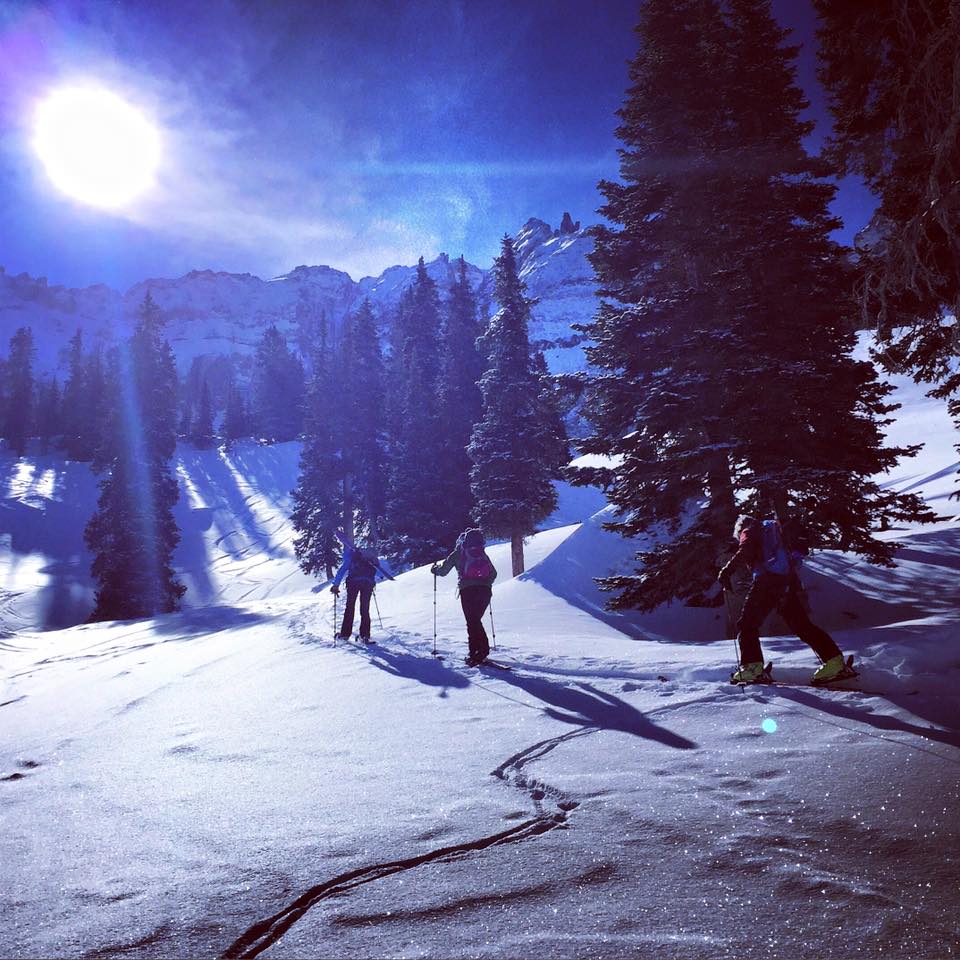
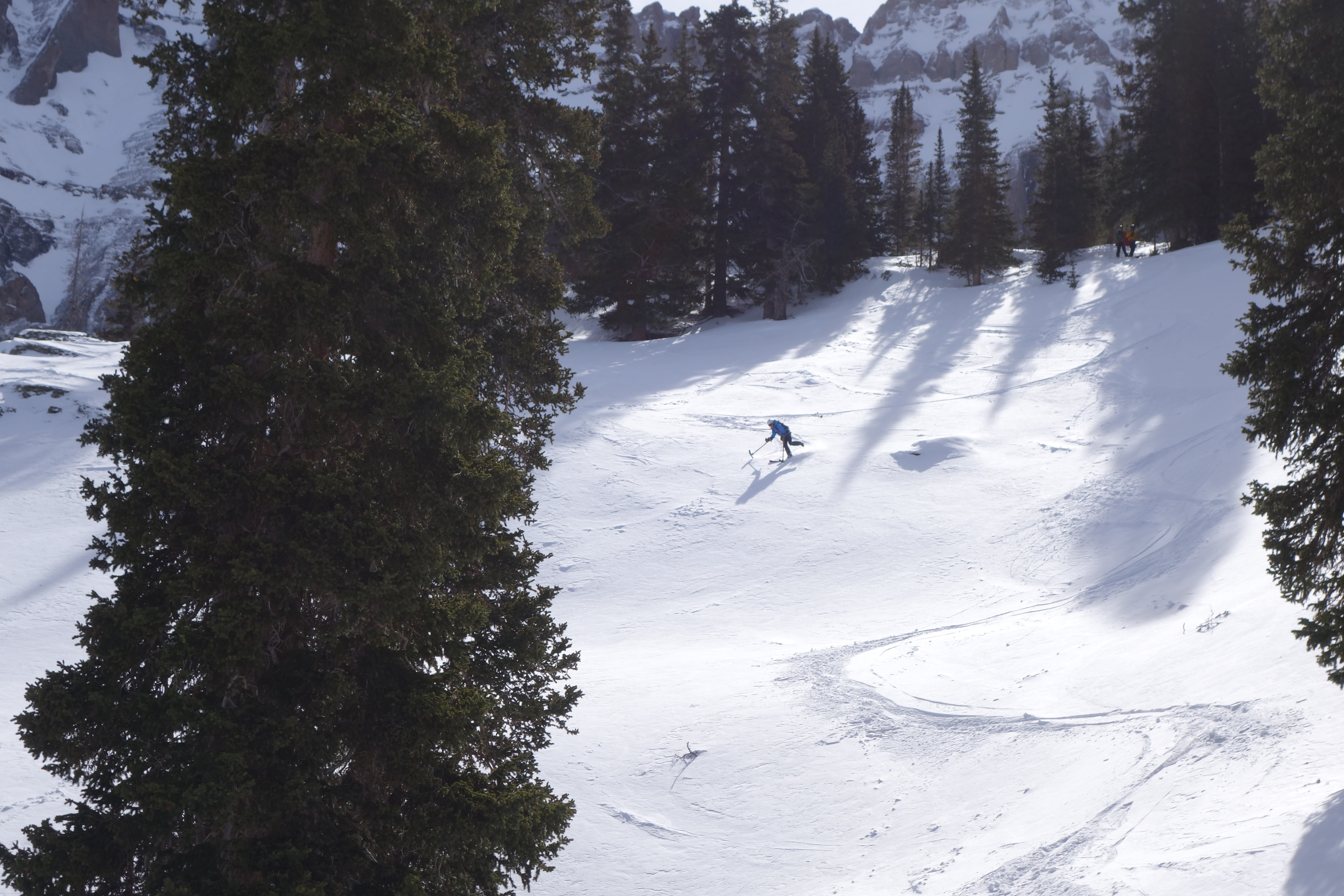
First time back in the BC post-accident (Alta Lakes, Telluride)

First time back in the BC post-accident (Alta Lakes, Telluride). Photo credit: Joshua Butson

I am tired from the last week of in-bounds and out of bounds skiing, but feeling so lifted from the TASP backcountry weekend in Alta Lakes. This was my first time carrying a shovel, beacon, probe in over 6 years, and I really was not sure how things would go.

I had such a great time skiing at Telluride last year that I contacted Tim McGough, the Program Director at TASP, to let him know that I was interested in coming out again this season. He mentioned they were putting on an adaptive backcountry hut trip and asked if I was interested in joining. Despite some trepidations over how different/challenging skiing and traveling in the backcountry could/would be for me, it did not take me long to say Yes! as backcountry skiing was a big love of mine before my accident.

Coming up with a system was challenging given that I do not live close to Tim/TASP and there was no opportunity for hands-on experimentation. Tim asked if I was able to snowshoe. I did not know the answer to this, and had many doubts as I was not sure if my left snow shoe could clear the snow. I would not know the answer though until I tried. My first attempt was in Scott’s Mum’s backyard in Vermont. To my surprise, I managed to trudge around. The next step was to see if I could handle inclines. Again, I tromped around a bit around Jay Peak, VT and found that I could manage. I then tried to find places closer to where I live to practice. This was challenging due to the lack of snowfall we had received in/around Cambridge. I found a little suburban park to at least practice packing/carrying my equipment on my back, which also took a fair bit of time to figure out. The system I eventually went with to “skin” up was to wear snow shoes and snow boots. This means that I have to carry my ski, (heavy) outriggers and ski boot, and then find a way to transition out of my snow shoes/boots into my ski boot/ski. It does not really seem fair that I have to carry a lot more with a gimpy leg but you do what you have to do. 

I admit, I was a tad bit upset to learn that I was the only person in the group with a disability. I felt like I would just slow everybody down, always be last etc. This soon passed as I proved to be able to more than keep up, at least skiing wise, with an incredible group of TASP instructors and volunteers.

Conditions were very friendly: warm, low wind, firm snow underneath dust. The drop into the lakes was fine on one ski, despite lots of trees and shitty ice.

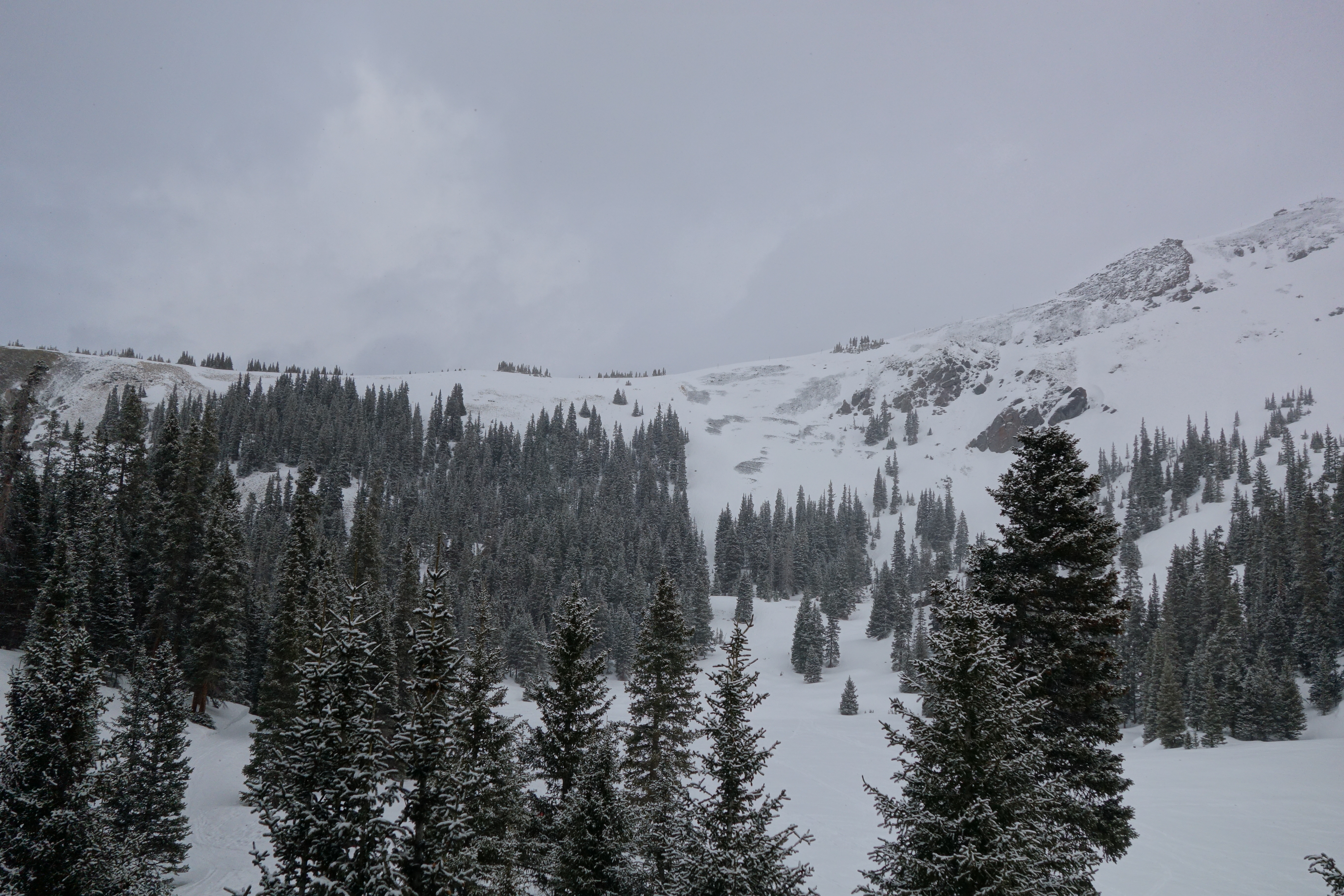
The ridge line from where we dropped in.

The ridge line from where we dropped in.

A bit of a snowy trudge in.

A bit of a snowy trudge in.

The snowshoe up to our runs was very tiring for me though. Firm snow is definitely easier than deeper snow, and we experienced it all over the weekend. We could not have had better guides than Joshua Butson and his guiding company, San Juan Outdoor Adventures, who was extremely skilled, knowledgeable, fun and patient. Joshua, btw, has done some pretty awesome first ascents all over the world. 

Photo credit: Joshua Butson

Photo credit: Joshua Butson

The slog up. You can tell just how happy I am, unlike the picture of misery behind me.

The slog up. You can tell just how happy I am, unlike the picture of misery behind me.

So many skiing options.

So many skiing options.

Butt shot. Photo credit: Joshua Butson.

Butt shot. Photo credit: Joshua Butson.

from behind

Aside from introducing me back into skiing in the backcountry, a large part of the trip was to cover basic avalanche skills (basically a Level 1 avy course – about 15 years since I took one!) It was interesting to see what had changed in terms of avalanche safety education over the last 1.5 decades. 

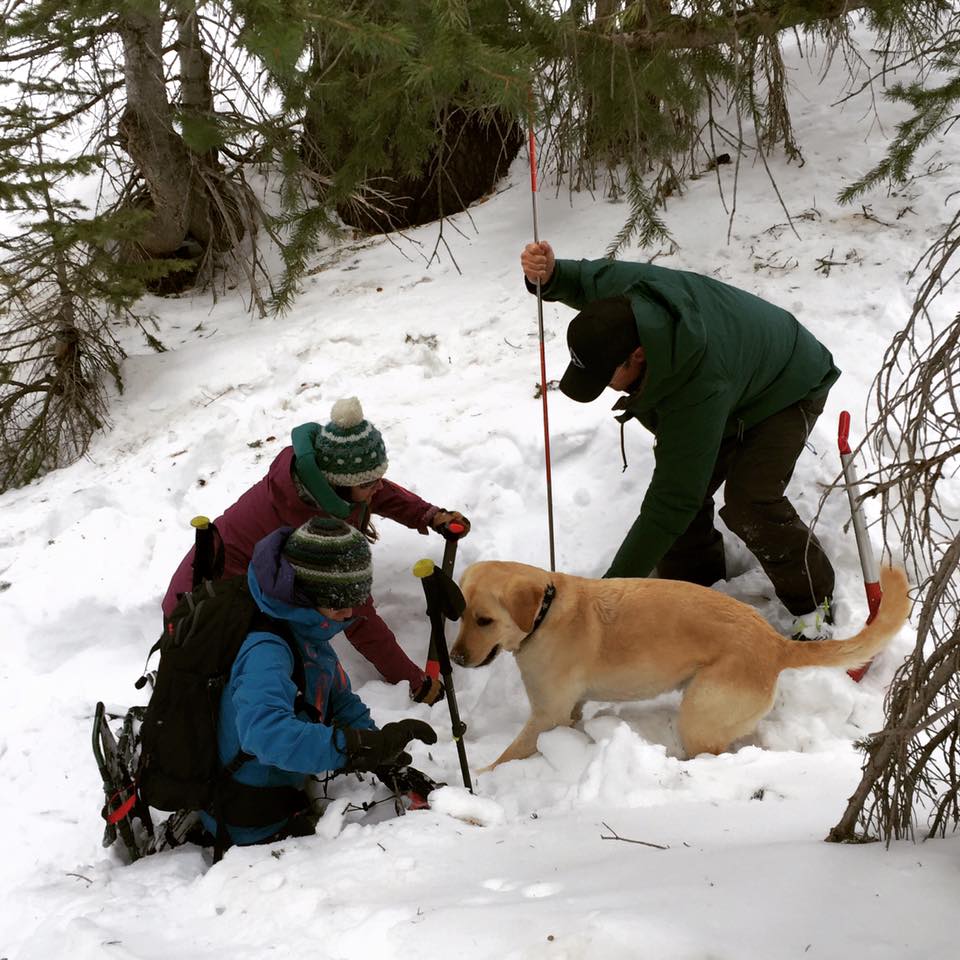
Searching for transmitting beacons is much easier when you have an awesome service dog with you.

Searching for transmitting beacons is much easier when you have an awesome service dog with you.

While other folks travelled with their skis, I stayed in my snow shoes.

While other folks travelled with their skis, I stayed in my snow shoes.

While I would sometimes get dejected for moving uphill slowly and tiring (the right leg because it was doing most of the work, the left leg because it is so weak and also working), I did feel we accomplished a fair bit and I am on my way back to doing another thing I love and have missed since my accident. Being surrounded by a wonderful crew who made me laugh so hard in our “hut” was such a blessing and I am reminded of how many good people there are out there. 

I was asked to help some of the TASP instructors with movement analysis and three-tracking instruction, as that is a component of their PSIA Level 1 Adaptive ski instructor exam. I spent the morning having my movements analyzed and giving them feedback, and the afternoon giving a little bit of bumps skiing instruction one-ski-style. It was just as instructional to me as it was to them, as trying to explain and teach something is the best way to learn yourself. Listening to them offer their analyses of my movements, the vocabulary they were learning to use, and trying to articulate my movements to them was incredibly useful. It also felt good to be able to “give back” a little and offer some of my skills and experiences (all two seasons’ worth!) to them.

I cannot wait to return next season.

Not a bad view to wake up/go to bed to.

Not a bad view to wake up/go to bed to from the Alta Lakes observatory “hut”.